Exploring the Wonders of the Human Digestive System: A Comprehensive Guide.


An efficient way for losing belly fat


Introduction: Learning About Belly Fat


Belly fat, commonly known as visceral fat, is both a cosmetic problem and a health danger. Excess abdominal fat has been related to a number of health conditions, including cardiovascular disease, type 2 diabetes, and metabolic syndrome. While spot reduction is not attainable, there are effective methods for reducing belly fat and improving overall health. Understanding the causes and applying lifestyle adjustments can help to successfully reduce abdominal fat.


Healthy Food Habits

Adopting proper eating habits is one of the most crucial steps in decreasing abdominal fat. A well-balanced diet that includes fruits, vegetables, lean meats, and whole grains will help you limit your calorie consumption and lose weight. Incorporating fiber-rich foods, such as beans and oats, can help with digestion and keep you fuller for longer periods of time, lowering your risk of overeating. Furthermore, limiting your intake of processed meals, sugary beverages, and refined carbs will help you avoid overeating and reduce belly fat.

Portion Control.

Controlling portion sizes is critical for

 weight management and belly fat loss. Overeating, even with nutritious meals, can result in an excess of calories, which contributes to abdominal fat formation. Using smaller dishes, monitoring quantities, and being careful of serving sizes can all help minimize overconsumption. Mindful eating, which entails paying attention to hunger cues and eating carefully, can also raise awareness of portion sizes and help prevent overeating.


Regular Exercise Routine


Regular exercise is vital for burning

 calories and losing tummy fat. Both aerobic exercise and strength training are useful for reducing abdominal fat. Cardiovascular workouts like jogging, cycling, and swimming assist to burn calories and enhance overall cardiovascular health. Strength training includes movements like squats, lunges, and abdominal crunches can help grow muscular mass and enhance metabolism, resulting in increased calorie expenditure even when resting.


High Intensity Interval Training (HIIT)


High-Intensity Interval Training (HIIT) has gained popularity due to its ability to burn fat, especially belly fat, in a shorter period of time. HIIT consists of alternating short bursts of intensive activity with shorter rest intervals. This form of training not only improves calorie burn during the activity, but it also promotes the afterburn effect, in which the body continues to burn calories at a higher rate after exercise. Incorporating HIIT workouts into your fitness programmed will assist speed up belly fat loss and increase overall fitness levels.


Stress Management

Chronic stress can cause weight gain and belly fat buildup via a variety of processes, including elevated cortisol levels and undesirable coping behaviors like overeating. Stress management practices such as mindfulness meditation, deep breathing exercises, yoga, and hobbies can all assist to relieve stress and avoid weight gain. Prioritizing enough sleep and sticking to a regular sleep pattern are also beneficial for stress management and weight reduction.


Hydration

Proper hydration is sometimes forgotten, although it plays an important role in weight management and general wellness. Drinking enough of water throughout the day can help reduce hunger, avoid overeating, and enhance metabolism. Additionally, replacing sugary beverages with water or herbal tea might lower calorie consumption and increase belly fat reduction. Drink at least eight glasses of water every day and increase intake during activity or in hot weather to keep hydrated and aid in weight reduction attempts.


Limit alcohol consumption.


Alcohol use, particularly in excess, might lead to abdominal fat buildup due to its high calorie content and effects on metabolism. Alcoholic beverages are generally heavy in empty calories, which can contribute to overeating and bad eating habits. Limiting alcohol use or switching to lower-calorie choices like light beer or spirits blended with calorie-free mixers will help you cut calories and lose belly fat. Furthermore, controlling portion sizes and limiting excessive drinking might help prevent alcohol-related weight gain.


Consistency and patience.

Achieving and maintaining a healthy weight, especially decreasing belly fat, needs persistence and patience. Setting realistic objectives and making long-term lifestyle improvements is more essential than relying on short solutions or fad diets. You may progressively reduce belly fat and improve overall health by eating a well-balanced diet, exercising regularly, managing stress, staying hydrated, and reducing your alcohol use. Remember that development may be sluggish, and it is critical to maintain motivation and commitment to long-term success.


Conclusion: A Comprehensive Approach to Belly Fat Reduction.

Diet, exercise, stress management, hydration, and lifestyle behaviors all have a role in reducing belly fat. You can effectively reduce belly fat and improve your overall health and well-being by practicing healthy eating habits, controlling portion sizes, incorporating regular exercise, including high-intensity interval training, managing stress, staying hydrated, limiting alcohol consumption, and remaining consistent and patient. Remember to check with a healthcare practitioner before making major changes to your diet or exercise programmed, especially if you have any underlying health issues. With effort and determination, you may reach your objectives and reap the rewards of a smaller waistline and improved health.


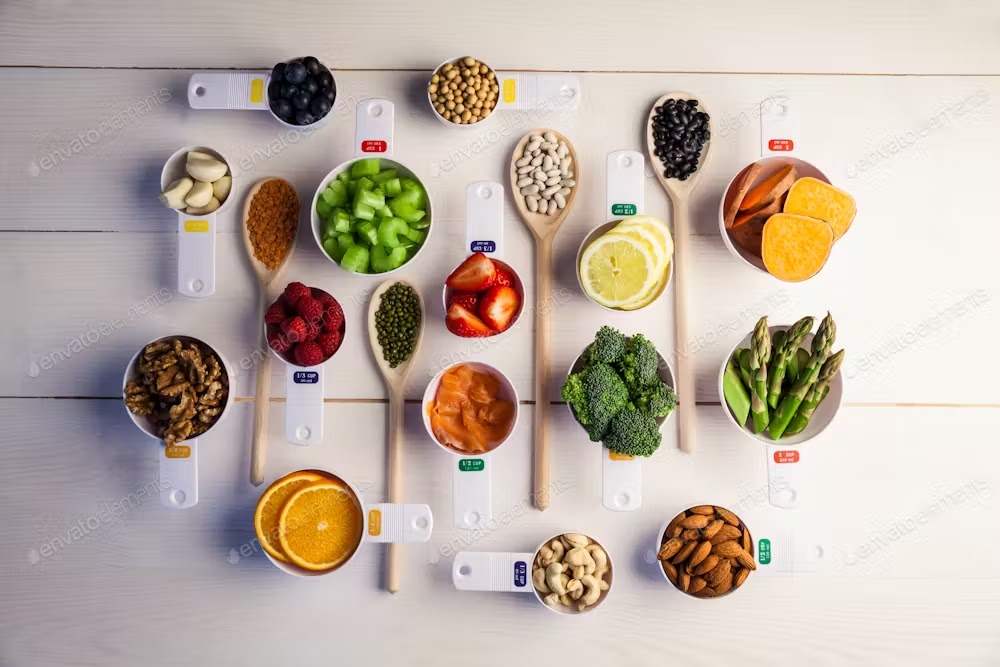
20 exciting nutrients that exist in fruits and veggies.

20 exciting nutrients that exist in fruits and veggies.


Vitamin C (Ascorbic Acid): 

Present in fruits like citrus, strawberries, and bell peppers, Vitamin C aids in collagen formation, systemic immune support, and antioxidant protection.


Grains:

 Found in fruits like apples, pears, and berries, as well as vegetables like broccoli and Brussels sprouts, fiber improves digestion, regulates blood sugar, and promotes satiety.


Calcium:

Bananas, oranges, and sweet potatoes are high in potassium, which is essential for fluid balance, neuron function, and muscular contraction.


Homocysteine (Vitamin B9):


Found in leafy greens, oranges, and avocados, folate is necessary for DNA synthesis, cell division, and fetal development during pregnancy.


Beta-Carotene:

 Carrots, sweet potatoes, and spinach contain beta-carotene, which is a precursor to Vitamin A and helps with vision, skin health, and immunity. 


Vitamin K:

 Broccoli, kale, and spinach are high in vitamin K, which is essential for blood clotting, bone health, and cardiovascular function.


Quercetin:  

produced by apples, onions, and berries, is a potent antioxidant with anti-inflammatory qualities.


Magnesium: 

 found in bananas, avocados, and leafy greens, promotes muscular function, neuron transmission, and bone health.

Vitamin E (Tocopherol):

Nuts, seeds, and spinach are high in Vitamin E, an antioxidant that helps cells resist oxidative damage.

Anthocyanins: 

 Blueberries, cherries, and grapes contain anthocyanins, which contribute to the fruits' brilliant colors while also providing antioxidant and anti-inflammatory properties.

Resveratrol:

It is a compound found in grapes, particularly red wine, that has been linked to possible cardiovascular and anti-aging effects.

Selenium: 

Brazil nuts, sunflower seeds, and mushrooms are high in selenium, an important element with antioxidant qualities that promote thyroid function.


Manganese: 

 found in pineapple, pecans, and whole grains, is essential for bone growth, blood clotting, and inflammation reduction.

Zeaxanthin and lutein:

 These carotenoids found in spinach, kale and maize boost eye health and may lower the risk of age-related macular degeneration.

Vitamin B6 (Pyridoxine):


 Bananas, potatoes, and chickpeas are high in vitamin B6, which aids in brain development, neurotransmitter production, and immunological function.

Phosphorus: 

Found in pumpkin seeds, salmon, and lentils, phosphorus is necessary for bone health, energy metabolism, and acid-base balance.

Zinc:

 Pumpkin seeds, chickpeas, and cashews are rich sources of zinc, which is required for immunological function, wound healing, and DNA production.

Choline:

 Found in broccoli, eggs, and Brussels sprouts, choline is essential for brain development, neuron function, and liver health.

Copper:

 Avocados, mushrooms, and cashews contain copper, which is essential for iron metabolism, connective tissue production, and immunological function.

Vitamin D: 

While not rich in fruits and vegetables, sunshine stimulates Vitamin D production in the skin. Vitamin D promotes calcium absorption, bone health, and immunological function.

Dieting Controlling in Essential Lifestyle


Dieting Controlling in Essential Lifestyle


Introduction    

A nutritious diet is an important aspect of general well-being. It has a significant impact on both our physical and mental wellbeing. However, in today's fast-paced world, following a diet plan might be difficult. Balancing work, social life, and personal responsibilities frequently leaves little time for mindful eating. In this thorough book, we will look at practical techniques for effortlessly incorporating a regulated food plan into your everyday routine, assuring long-term health advantages.


Understand Your Dietary Requirements

Understanding your individual dietary requirements is the first step towards regulating your diet. Everyone's dietary requirements are different, affected by age, gender, exercise level, and general health. Consultation with a healthcare practitioner or a qualified dietician can give personalised information. They may evaluate your present health, detect any inadequacies, and suggest a diet plan customized to your specific requirements.


Setting Realistic Goals.

Set reasonable and achievable objectives after you've determined your nutritional needs. Avoid establishing too ambitious goals, which can lead to dissatisfaction and abandonment of your diet plan. Instead, concentrate on tiny, gradual adjustments that are consistent with your long-term goals. For example, begin by introducing more veggies into your meals, gradually limiting your intake of processed foods, and developing a consistent dietary routine.


Menu Planning and Preparation

One of the most effective methods to manage your nutrition is via careful meal planning and preparation. Set aside time each week to plan your meals, taking into account your nutritional needs and timetable. Make a shopping list and ensure that your kitchen is supplied with nutritious products. Meal prep not only Saves time during stressful weekdays while also encouraging healthy eating habits by making you less tempted to choose convenience items or takeaway.


Balanced Macronutrients

A well-balanced diet has the proper proportions of macronutrients (carbohydrates, proteins, and fat). Each macronutrient has a distinct purpose in promoting overall health. Carbohydrates supply energy, proteins help in muscle repair and maintenance, while fats are required for a variety of biological processes. Strive for balance in each meal, including entire grains, lean meats, and healthy fats. Experiment with different food combinations to produce enjoyable and nutrient-dense meals.


Portion Control.

Portion control is an important part of diet management. Even nutritious meals can lead to weight gain if taken in excess. Be cautious of portion sizes and pay attention to your body's hunger and fullness cues. Consider using smaller plates to create the illusion of a larger plate. Chew your food! Slowly and enjoy each meal, allowing your body to communicate when it is satisfied. Portion restriction not only helps with managing one's weight but also improves digestion.


Hydration is key.


Proper hydration is often forgotten, yet it is essential for a healthy eating plan. Water is necessary for digestion, vitamin absorption, and waste removal from the body. Drinking enough of water might also help you avoid unneeded snacks, as our bodies sometimes confuse thirst with hunger. Aim for at least eight glasses of water every day, and alter your intake based on physical activity, weather, and personal preferences.


Snacking smartly.


Snacking can be a trap for many people attempting to regulate their diet. Instead of completely eliminating snacks, focus on making better choices. Choose nutrient-dense snacks like fruit, veggies, almonds, or yoghurt. Keep healthful snacks easily accessible, both at home and at work, to prevent temptation, of opting for less nutritious alternatives. Plan your snacks around your daily calorie intake and nutritional goals.


Mindful Eating Practices.


Mindfulness during meals is an effective method for regulating your diet. Avoid distractions such as TV or technological gadgets when eating. Pay close attention to the flavors, textures, and feelings with each bite. Mindful eating improves the connection between your body and mind, making it simpler to identify actual hunger and fullness cues. It also minimizes the probability of overeating by encouraging a more mindful attitude to eating.


Regular Physical Activity


Regular physical activity not only helps with weight management but also improves general well-being. Exercise boosts metabolism, burns calories, and enhances mood. Find activities that you love, such as running, cycling, dancing, or yoga, and aim for at least 150 minutes of moderate-intensity activity everyday week. Physical exercise not only supplements your nutrition but also promotes a healthy lifestyle.


Social and Environmental Factors


Recognize how social and environmental variables influence your nutritional choices. Adhering to a regulated diet might be difficult during social events, celebrations, and in the office. Share your nutritional objectives with friends and family so that they may provide support. Take the initiative to choose healthier selections while dining out and consider bringing your own nutritious meal to social functions. Being conscious of environmental influences allows you to navigate social situations while adhering to your eating plan.


Monitoring Progress and Adjustments

Regularly track your success and be willing to make changes to your food plan as required. Keep a food journal to record your meals, snacks, and beverages. Analyse the data to find trends, areas for improvement, and potential problems. If required, talk with a healthcare practitioner or nutritionist to review your goals and make any necessary changes. Flexibility is essential for long-term success, as lifestyle changes and health objectives might shift over time.


Conclusion 

Controlling a diet plan in your daily routine is a difficult task that demands commitment, preparation, and self-awareness. Understanding your nutritional needs, setting realistic objectives, and practicing mindful eating can help you create a long-term and successful approach to healthy living. A effective diet plan includes eating balanced macronutrients, exercising portion control, and staying hydrated. Remember that adopting a healthy lifestyle is a lengthy process, and little, persistent adjustments may lead to major and long-term benefits.


"Effective Strategies to Halt Unintended Weight Loss and Restore a Healthy Balance"


"Effective Strategies to Halt Unintended Weight Loss and Restore a Healthy Balance"

Are you ready to kickstart your journey towards a healthier, fitter version of yourself? Weight loss is a common goal for many, but it's essential to approach it with the right mindset and strategies. In this blog post, we'll dive into the fundamentals of shedding those extra pounds and maintaining a healthy lifestyle. From setting achievable goals to crafting a sustainable diet plan and incorporating exercise into your routine, we've got you covered. Get ready to discover how to reduce weight effectively and embrace a new chapter of wellness!

Achieve Peak Performance: Fitness and Nutrition Insights

Achieve Peak Performance: Fitness and Nutrition Insights


Health and exercise are essential components of a rewarding and productive lifestyle. The necessity of keeping excellent health and remaining active goes beyond physical well-being and affects many facets of one's life. Regular exercise and a well-balanced diet help to improve general physical health, avoid illnesses, and promote lifespan.


Physical activity has also been shown to improve mental wellness. Regular exercise causes the body to release endorphins, which are natural mood lifters that can help alleviate stress, anxiety, and melancholy. Furthermore, keeping active improves cognitive function by increasing focus, memory, and general mental clarity.

Furthermore, a healthy lifestyle improves social well-being. Individuals who prioritise health and exercise frequently report enhanced self-confidence and a more positive self-image, which leads to better interactions with others. Physical activity may also be used as a social outlet, offering possibilities to meet with similar people and develop a supportive community.


Productivity and efficiency in everyday duties are intimately related to one's health. A well-nourished body and an active lifestyle lead to greater energy and attention, helping people to perform better in their professional and personal lives.

In essence, health and fitness are more than just the absence of sickness; they are essential components in living a lively and fulfilling life. Individuals may achieve a healthier, happier, and more meaningful life by making purposeful decisions to priorities exercise, diet, and general well-being.

1. Cardiovascular Fitness:

 Cardiovascular fitness, also known as aerobic fitness, aims to improve heart and lung function. This category includes activities such as running, swimming, cycling, and brisk walking. Regular cardiovascular exercise increases the body's ability to transport and use oxygen, resulting in a healthier cardiovascular system. This form of fitness is essential for lowering the risk of heart disease, controlling weight, and improving general endurance.


2. Strength or Resistance Training: 

This type of exercise focuses on muscle building and toning to improve overall strength and power. Weightlifting, bodyweight exercises, and resistance band workouts are all types of strength training. This form of fitness is essential for increasing muscle mass, bone density, and metabolic rate. It also plays a role in preventing injuries and promotes functional movements in everyday life.


3. Flexibility and Mobility:

These qualities of fitness are often underestimated yet crucial for general well-being. Stretching exercises, yoga, and Pilates all help to increase flexibility, allowing muscles and joints to move through their entire range of motion. Increased flexibility lowers the chance of injury, relieves muscular tension, and promotes proper posture. A mix of stretching and mobility exercises promotes joint health and flexibility.


4. Balance and Stability: 

As we age, balance and stability become increasingly critical in maintaining fitness. Balance exercises, stability ball workouts, and certain yoga positions all help to improve your balance. This form of fitness is critical for reducing falls, improving coordination, and promoting functional mobility. Improving balance and stability has a positive effect on sports performance and general agility.

A well-rounded fitness regimen that combines aerobic exercise, strength training, flexibility, and balancing activities promotes overall health and resilience.

"Whip Up Deliciousness: Ten Quick and Easy Recipes to Satisfy Every Craving!"

"Whip Up Deliciousness: Ten Quick and Easy Recipes to Satisfy Every Craving!"


1. Classic Spaghetti Aglio e Olio:

 Boil spaghetti according per package instructions. In a skillet, cook the minced garlic in olive oil until golden. Toss the cooked spaghetti in the garlic-infused oil, then sprinkle with red pepper flakes and parsley. Finish with a squeeze of lemon to provide a splash of freshness. This Italian staple is ready in about 20 minutes.

Strengthens the Overall Immune System


Strengthens the Overall Immune System

Introduction: Understanding the Immune System.


The immune system is a complex network of cells, tissues, and organs that work together to protect the body against outside invaders including viruses, bacteria, and other diseases. Immune system strength is essential for general health and disease control. While genetics have a part, lifestyle choices and habits have significant effects on the immune system.

Reasons Why a Healthy Lifestyle Is Your Gateway to Happiness☺✌✌

Reasons Why a Healthy Lifestyle Is Your Gateway to Happiness☺✌✌

Intro

In the quest for happiness, many overlook the profound impact of healthy living. Adopting a healthy lifestyle is not just about avoiding illness; it's a comprehensive approach to enhancing your well-being, leading to a more fulfilled and joyous life. The journey to happiness is multifaceted, involving both physical and mental health, and a healthy lifestyle is the key that unlocks this door. Whether it's through balanced nutrition, regular physical activity, or mindfulness practices, embracing healthy living can steer you towards a happier, more satisfying life. Here are five compelling reasons why a healthy lifestyle could be your ultimate gateway to happiness:


Learn How to Swim! 🏊🏊

young man swim under the waterchidren swimming in the water


 Learn How to Swim! 🏊🏊

Getting Started: Overcoming Fear


The first step in learning to swim is overcoming any fears or worries about being in the water. Begin by getting comfortable in the shallow end of a pool or a calm body of water. Spend some time standing or floating with help to gain confidence.

Healthy Food for Students and Kids.

Healthy Food for Students and Kids. πŸ‘¦πŸ‘§

Easy Healthy Kid’s Lunch Ideas - SnapCrack Blog ArticlesChildren love to eat vegetables healthy food, child holding tomato carrot broccoli radish
                                                                              
healthy feeding for baby

Introduction: In the fast-paced world of education, it's crucial to ensure that students and kids receive the right nutrition to support their physical and mental growth. Providing healthy food options is essential to fuel their bodies and minds for optimal performance in academics and daily activities.

Balanced Breakfast Choices: Begin the day with a nutritious breakfast to kickstart metabolism and enhance concentration throughout the morning. Opt for whole grain cereals, such as porridge or whole wheat toast, accompanied by a variety of fruits like berries or bananas. Including dairy or plant-based alternatives like yogurt or milk will contribute to the intake of essential nutrients like calcium and protein.

Smart Snacking Strategies: When it comes to snacks, encourage the consumption of nutrient-dense options. Fresh fruits, cut-up vegetables, and unsalted nuts are excellent choices. Incorporating whole foods provides a sustained energy release, avoiding the quick spikes and crashes associated with sugary snacks and refined carbohydrates. Hummus with carrot sticks or apple slices with nut butter are delicious and wholesome snack alternatives.

Packed Lunch Perfection: Lunch is a crucial part of a student's daily intake, and a well-balanced packed lunch ensures they receive the necessary nutrients. Opt for whole grain wraps or sandwiches with lean protein sources like chicken, turkey, or tofu. Include a colourful array of vegetables for added vitamins and minerals. Additionally, a portion of whole fruits and a small serving of dairy or a dairy alternative will complete the meal.

Hydration Habits: Staying hydrated is often overlooked but is paramount for cognitive function and overall health. Encourage the intake of water throughout the day. If children find water dull, infuse it with slices of citrus fruits or berries for a refreshing twist. Limit the consumption of sugary drinks, as they contribute to unnecessary calorie intake and can lead to energy crashes.

Incorporating Nutrient-Rich Dinners: Dinner is an opportunity to provide a well-rounded meal that includes a variety of food groups. Incorporate lean proteins like fish, poultry, or legumes alongside whole grains such as brown rice or quinoa. Include a diverse range of vegetables, aiming to create a colourful plate, which signifies a broad spectrum of nutrients. Ensure that portion sizes are appropriate for the child's age and activity level.

Encouraging Healthy Eating Habits: Teaching children about the importance of healthy eating from a young age instils lifelong habits. Involve them in meal planning and preparation, making it a fun and educational experience. Educate them about the benefits of different food groups and how they contribute to their overall well-being. Encouraging a positive relationship with food fosters a healthy attitude towards eating.

Mindful Treats: While it's crucial to focus on nutritious choices, occasional treats can also be a part of a balanced diet. However, it's essential to promote moderation and mindfulness when consuming treats. Opt for healthier dessert options, such as fruit salads, yogurt parfaits, or homemade treats with reduced sugar content. This approach helps children develop a balanced approach to indulgent foods.

Conclusion: In conclusion, prioritising healthy food choices for students and kids is fundamental for their physical and mental development. By incorporating a variety of nutrient-dense foods in their daily meals, encouraging hydration, and fostering positive eating habits, we contribute to their overall well-being. Investing in their health today sets the foundation for a vibrant and energetic future.

HEALTHY CHILDREN HAPPY FAMILY.